The landscape of self-hosted AI companion and automation tools has grown rapidly in recent years. Projects like OpenAssistant, Assistant UI, and private GPT instances have paved the way for users to run conversational AI tools on their own hardware. Most offerings focus primarily on chat interfaces or document processing, but few integrate multiple interaction methods into a unified runtime environment.
What Syll does differently
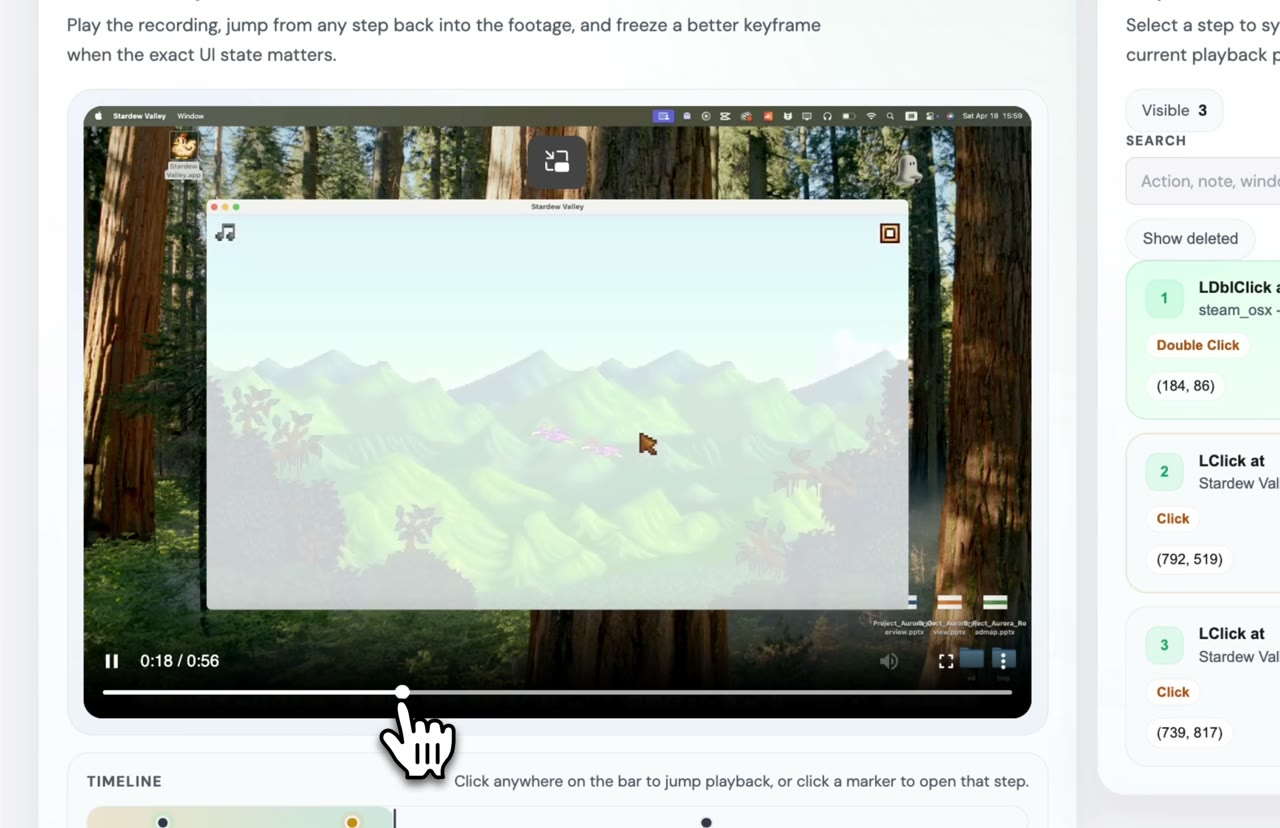
Syll distinguishes itself by combining multiple interaction modes into a single self-hosted runtime. Unlike single-purpose tools, it offers both chat channels and proactive rituals that can run automatically. The editable markdown skills feature allows users to extend functionality through simple markdown files rather than complex configuration or programming. This approach lowers the barrier to customization while maintaining flexibility. The inclusion of recorded workflows provides a mechanism for replaying and analyzing previous interactions, potentially useful for debugging or understanding usage patterns.
Another key differentiator is the desktop ghost component, which suggests Syll aims to exist both as a web application and a persistent desktop presence. This dual nature could make it more accessible for users who prefer different interfaces at different times. The project's focus on "companion" rather than purely assistant functionality indicates an emphasis on continuous presence rather than just reactive responses. This positioning might appeal to users seeking a more integrated relationship with their AI tools.
Quick start
Setting up Syll requires Python and likely follows standard Python packaging conventions. The minimal installation process would likely be:
pip install syll
After installation, users would probably initialize the runtime with a command like:
syll init
The application would then be accessible through a web interface at localhost:PORT or similar. Configuration would likely be managed through a YAML file or environment variables.
Trade-offs
Syll's approach offers several advantages. The unified runtime reduces the need to coordinate multiple tools, and the markdown-based skills system simplifies extension. The recording of workflows could provide valuable insights for power users. The Python implementation means good cross-platform compatibility without additional dependencies.
However, the project's current stage (only 29 GitHub stars) suggests it's early in development. This likely means less documentation, fewer community resources, and potentially incomplete features compared to more mature alternatives. The combination of multiple functionalities in one package might also make it heavier than single-purpose tools. Users seeking a minimal setup might find lighter options more suitable. The reliance on Python could also be a consideration for environments where Python isn't the primary language stack.
For users exploring the companion AI space, Syll represents an interesting middle ground between feature-rich platforms and minimal tools. Its approach to combining multiple interaction methods in one package fills a niche for those who value integration over specialization. The project's emphasis on markdown-based extensibility also makes it accessible to users without programming expertise. As a self-hosted solution, it offers control over data while avoiding reliance on third-party services.
The source is on GitHub.
Comments