Damru
The Apex Predator of Android Browser Automation
The world's first open-source framework for natively modded Android browser automation.
High-performance, ultra-stealth browser automation framework designed for web scraping and botting at scale.
Community: Discord server recommended | r/Damru
Contact: contact@damru.dev
Official repository: github.com/akwin1234/damru
Damru leverages rooted Android emulators (like Redroid in Docker) via ADB to achieve undetectable automation. Whether you are bypassing modern WAFs (like Cloudflare Turnstile) or scoring 100% on CreepJS, Damru provides an impenetrable disguise.
[!WARNING] Project Status: Beta This project is currently in a Beta state. The current Ubuntu 24.04 and Ubuntu WSL2 paths have passed fresh/reset smoke loops, but Damru still depends on host kernel, Docker, ADB, and Redroid behavior. Run
python -m damru check preflightbefore starting workers, and report environment-specific failures.
Platform Recommendation: Redroid vs MuMu
While Damru technically lists multiple environments, Redroid (Docker) is the only officially supported and functional path.
| Platform | Status | Stealth Level | Stability | Recommendation |
|---|---|---|---|---|
| Redroid (Docker) | Production-Ready | Absolute | High | Highly Recommended |
| MuMu Player | Unfinished / Beta | Moderate | Low | Non-functional / Not Recommended |
| Physical Devices | NOT SUPPORTED | N/A | N/A | DO NOT USE |
[!CAUTION] Physical Device Warning Damru is designed strictly for containerized environments (Redroid). It does not support physical Android devices. Do not attempt to run Damru against your personal phone. Damru refuses to auto-select physical-looking USB ADB serials by default, because its low-level OS patches and binary injections may brick or destabilize physical hardware.
DAMRU_ALLOW_PHYSICAL=1exists only for intentionally disposable test devices.
Why Redroid
Damru's most advanced stealth layers - including native GPU binary patching and OS-level iptables hooks-are optimized for the Redroid kernel. It provides a more stable environment for multi-container pools and is significantly more undetectable by modern anti-bot heuristics. MuMu Player support is currently an experimental, unfinished, and non-functional beta feature.
Core Features
Zero JS Injection: All spoofing is executed at the OS, Binary, and CDP levels. No brittle
Object.definePropertyhacks.Massive Device Database: Built-in profiles for 155 real Android devices (Samsung, Pixel, Xiaomi, Redmi, POCO, OnePlus, OPPO, Realme, Vivo, iQOO, Motorola, Honor, Sony, Nokia/HMD, ASUS, Tecno, Infinix, ZTE/Nubia, etc.) with realistic hardware specifications. Default random selection uses premium profiles only; medium and experimental profiles are opt-in.
Display & Resolution Spoofing: Natively overrides screen dimensions and DPI via Android's Window Manager (
wm size/density) for physical accuracy.Browser Version & Client Hints Randomization: Dynamically selects from the validated Chrome APK bundle, rotates compatible Chrome builds with random profiles, and generates matching
sec-ch-uaClient Hints including Chromium GREASE brand permutations.TLS/JA3 Randomization: Generates ~184 unique TLS fingerprints from a single binary by dynamically toggling cipher suites and experimental flags.
Fast Preflight Checks:
python -m damru check preflightperforms read-only Docker, ADB, binderfs, image, APK, resource, WSL kernel, port, and config checks with JSON output for fleet scripts.Experimental Local Dashboard:
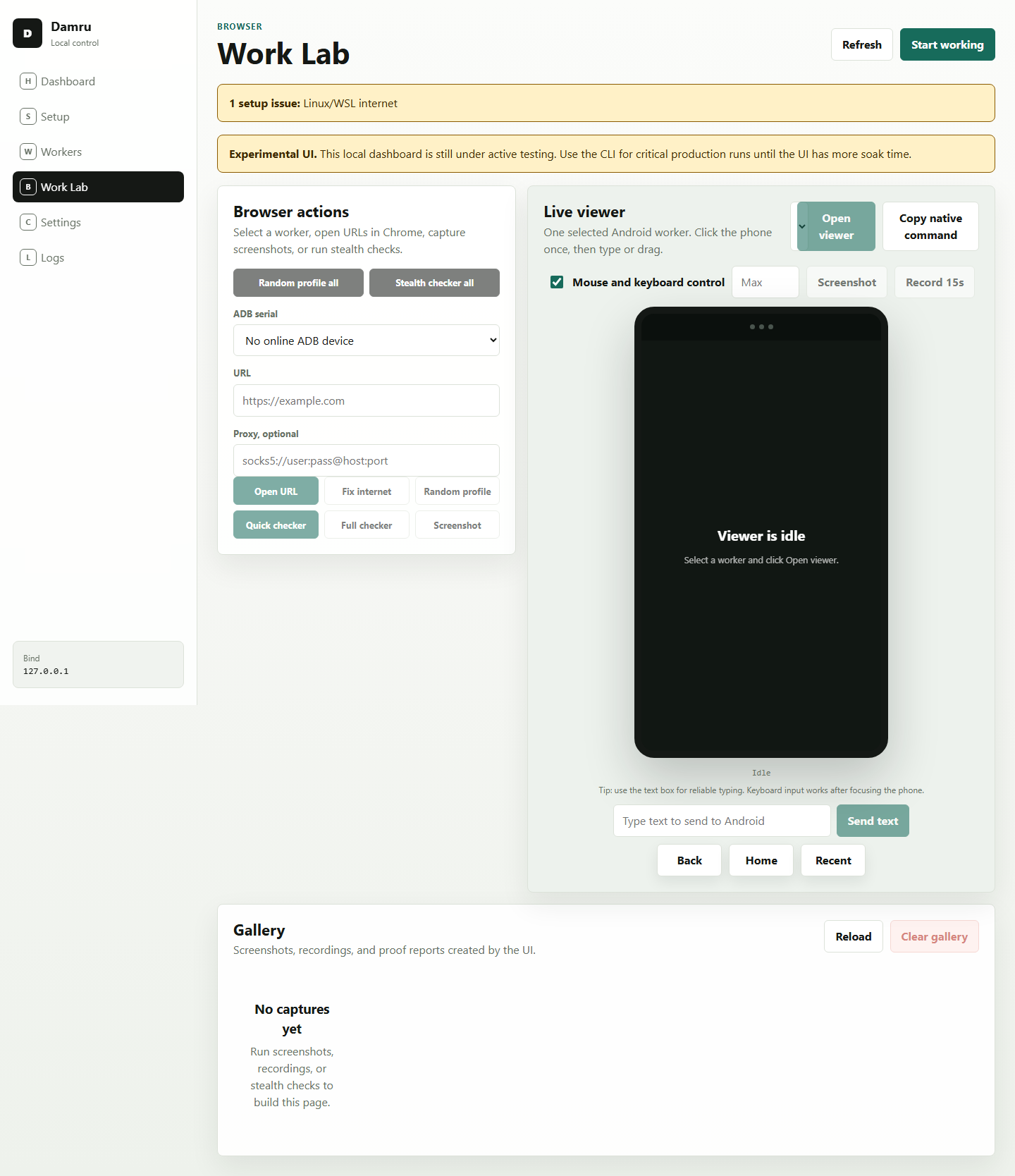
python -m damru uiprovides setup status, worker controls, Work Lab actions, browser viewer, gallery cleanup, logs, quick checks, and native viewer command copy from localhost.Auto Image & APK Management: Loads/downloads the baked Redroid image, finds local APK bundles, and auto-downloads the raw Chrome/WebView/TTS/resetprop asset bundle only when an unbaked/raw image path needs it.
Font & Voice Randomization: Installs custom TTS engines and extra system fonts, randomizing them per session.
Hardware Status Spoofing: Fakes battery levels, charging status, and even audio sample rates (48kHz) to mirror real mobile hardware behavior.
Hardware Overrides: Spoofs CPU cores, RAM (via syscall hooks), and touch points (e.g., 5-point touch) directly via native OS patching and CDP.
Network & DNS Stealth: Faithfully fakes mobile network conditions and forces resolution through proxy-level ISP DNS to pass "DNS Leak" and "Targeted DNS" checks.
CDN & Anti-Bot Bypass: Out-of-the-box native bypass for modern WAFs (like Cloudflare Turnstile, CDN TLS) and advanced behavioral detection systems.
Why Damru is Better Than the Rest
We spent significant time modifying and testing popular desktop-first solutions like Camoufox, Fingerprinting Chromium, and various Playwright stealth patches to work on mobile - but nothing reached the level of stability and undetectability achieved by this project.
The botting landscape is littered with tools that used to work: puppeteer-stealth, undetected-chromedriver, and various anti-detect browsers. Here is why they fail today, and why Damru succeeds:
| Feature | Legacy Tools (puppeteer-stealth, etc.) |
Damru |
|---|---|---|
| Spoofing Method | JavaScript Injection (Object.defineProperty). Leaves massive detectable traces. |
Native Overrides. Modifies C++ engine via CDP, patches binaries, edits OS props. |
| JS Leakage | Anti-bots check .toString() on functions. Injected JS is caught instantly. |
Zero JS Injected. Functions remain entirely native. |
| Hardware Emulation | Fakes navigator.hardwareConcurrency via JS. Fails worker tests. |
C++ CDP Override. Changes the main-page value at the Chromium engine level; worker targets are handled best-effort through CDP auto-attach. |
| GPU Fingerprint | WebGL spoofing via JS wrapping. Leaks real GPU via extensions. | Binary Patching. Physically patches the .so Vulkan/GLES driver files on Android. |
| Physical Memory | Fakes deviceMemory via JS. Easily caught by timing or syscall checks. |
Syscall Hooks. Uses libfakemem.so to intercept sysinfo calls via LD_PRELOAD. |
| Worker Stealth | Workers often leak the real hardware concurrency of the host. | Worker Interception. Uses CDP Target.setAutoAttach to force overrides on all Threads/Workers. |
| TLS/JA3 Hash | Fixed TLS fingerprint based on the Chrome binary version. | TLS Randomization. Produces ~184 unique JA3 hashes via dynamic cipher blacklisting. |
| Screen Dimensions | Viewing desktop Chrome as mobile via viewport scaling (leaks real screen size). | OS-Level Display. Modifies Android wm size/density natively. |
| Network Identity | Frequently leaks WebRTC private IPs and IPv6 fingerprints. | OS-Level IP Tables. Blocks WebRTC leaks and IPv6 at the Android kernel level. |
| Mobile Emulation | Desktop Chrome pretending to be mobile via viewport scaling. | Real Android OS. Runs inside Redroid (Android 14) or MuMu Player. It is mobile. |
Proof of Stealth: Benchmark Comparisons
We regularly test Damru against the hardest anti-bot systems in the industry. These results are reproducible using the built-in benchmark suite (python -m damru benchmark) or the comprehensive functional test suite (python example.py).
Fresh Ubuntu/WSL verification proof is tracked in docs/PROOF.md. The current sanitized Ubuntu VPS proof assets include:
- Android screen recording
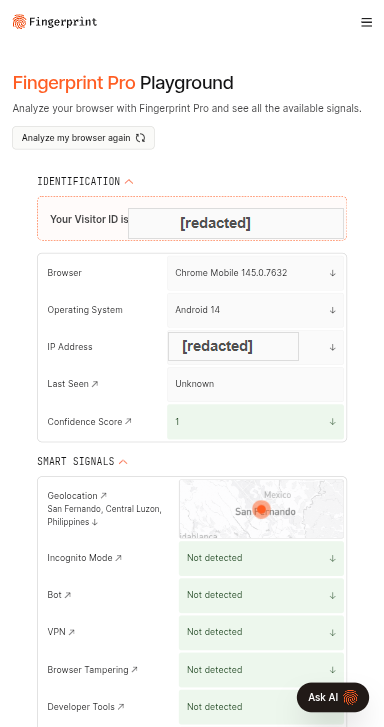
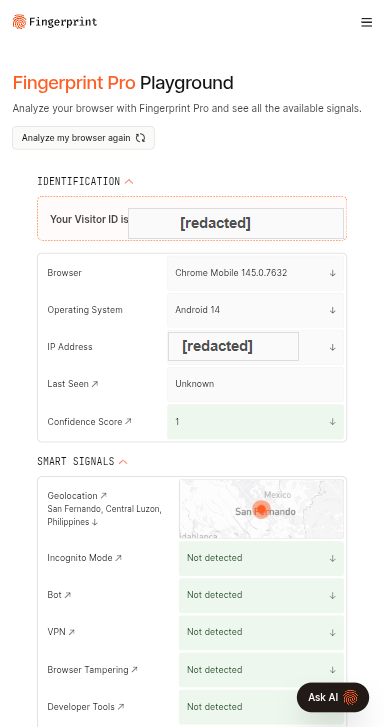
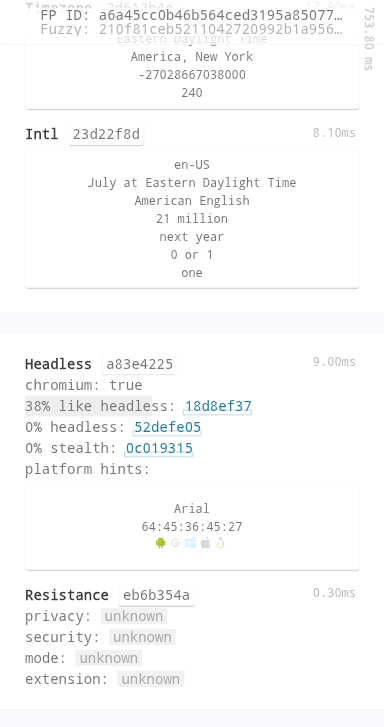
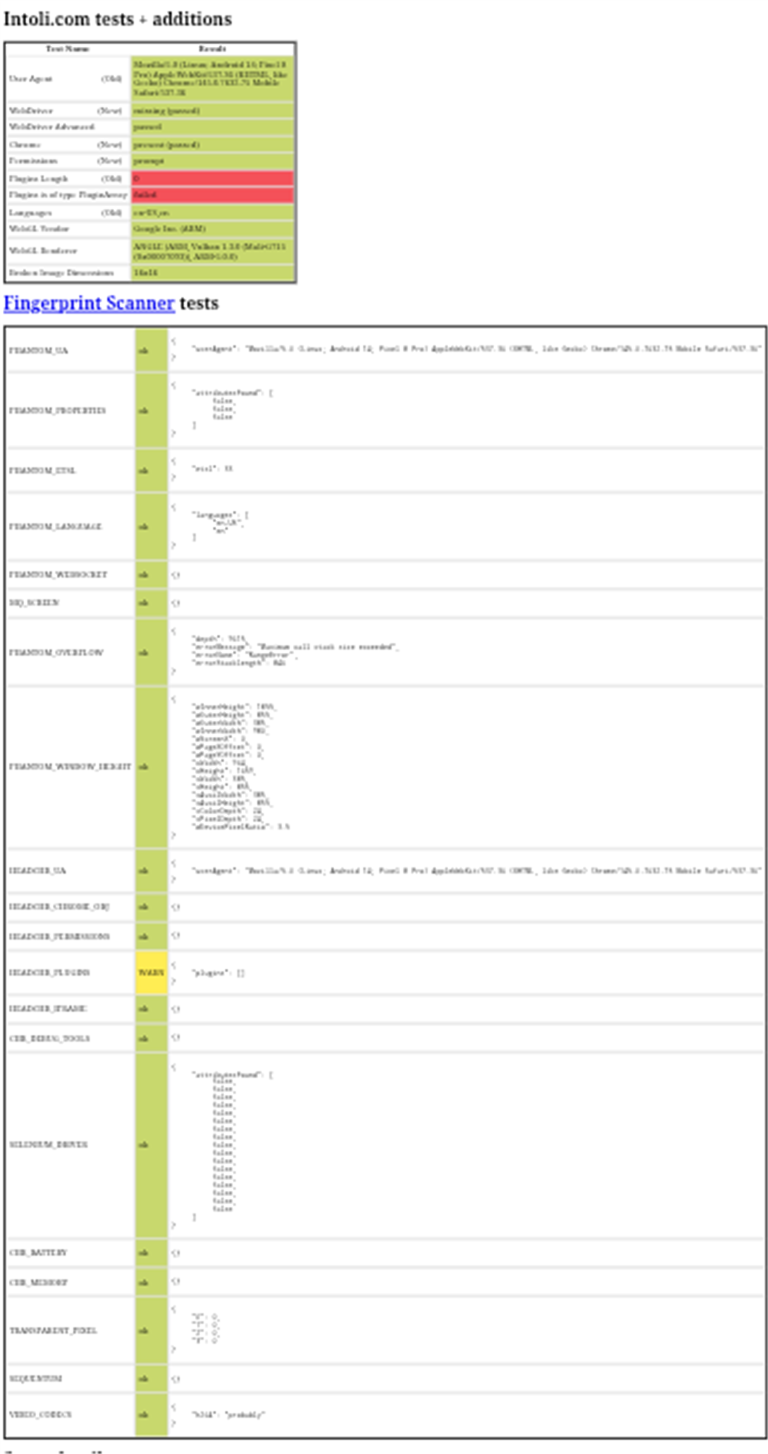
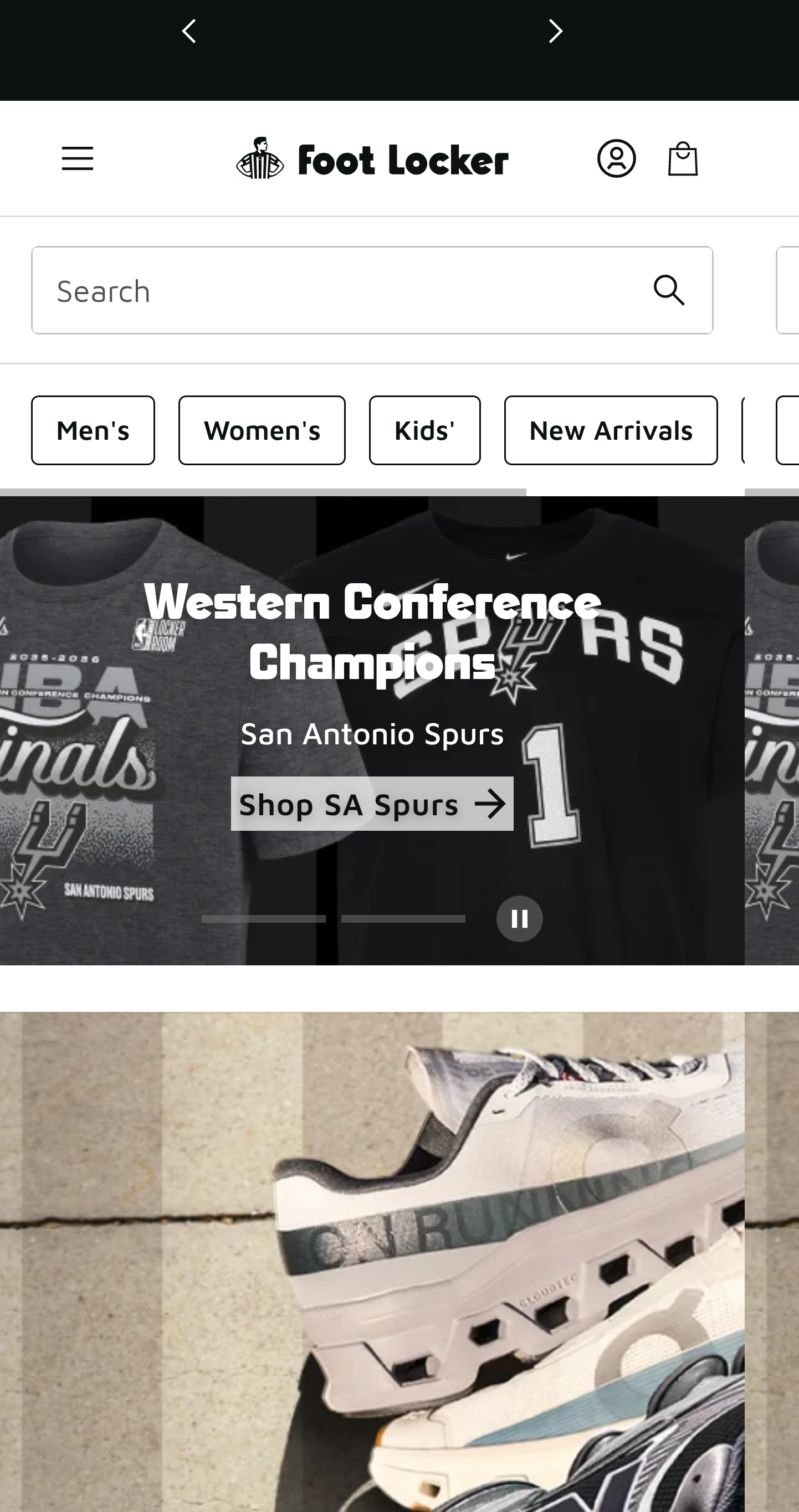
- Individual site proof screenshots: Amazon, Foot Locker / DataDome target, Fingerprint Pro, Sannysoft, and CreepJS
- Sanitized site proof metadata
External benchmark proof: docs/BROWSERS_BENCHMARK_REPORT.md records a sanitized Damru Redroid run against techinz/browsers-benchmark, with proxy credentials and IPs removed.
- Final browser benchmark score: 10/10 bypass targets, 100% bypass rate.
- Adapter code: scripts/run_browsers_benchmark_damru.py.
- Targets passed: Google Search, Cloudflare, DataDome, Amazon, Ticketmaster/Imperva, Akamai, PerimeterX/HUMAN, Kasada, and Reddit.
- Browser data: CreepJS completed without benchmark error, WebRTC candidate IP stayed blank by design, and IP check completed through the configured residential proxy.
- Manual reCAPTCHA proof: Damru UI antcpt checks returned reCAPTCHA v3 score 0.9 in both direct and proxy modes; publish screenshots only after redacting the visible IP.
Screenshot Proof Gallery
| Fingerprint Pro | CreepJS |
|---|---|
 |
 |
| Sannysoft | Foot Locker / DataDome target |
|---|---|
 |
 |
| Amazon |
|---|
 |
| Target Anti-Bot | Standard Playwright | Typical Stealth Plugins | Damru |
|---|---|---|---|
| CreepJS (Trust) | 0% (Trash) | ~45% (High Lies) | 85%+ (0% Lies, Top Stealth) |
| BrowserScan | Fails Hardware/OS | Fails WebGL/Fonts | Passes 100% OS/Hardware/WebRTC |
| Sannysoft | Fails | Passes | Passes 100% |
| Cloudflare Turnstile | Blocked ("Just a moment") | Frequently Blocked | Bypassed Natively |
| Other Enterprise WAFs | Blocked | Frequently Blocked | Bypassed Natively |
Note: Damru is capable of bypassing many other advanced detection systems not listed here. As an educational project, we focus on demonstrating these core industry-standard benchmarks.
Architecture: The 8 Layers of "Zero JS" Stealth
Damru's core philosophy is Zero JavaScript Injection. Instead of trying to outsmart anti-bot JavaScript with more JavaScript, Damru lies from the outside in.
- Layer 1: Android System Props (Root
resetprop) Damru connects via ADB and uses root access to modifybuild.propvalues dynamically. It changesro.product.model,ro.build.fingerprint, and the Android SDK version at the OS level. The browser sees a genuine Pixel 8 Pro or Samsung S24. - Layer 2: GPU Binary Patching
Anti-bots actively check your GPU. Generic Docker containers show "SwiftShader" (an instant ban). Damru physically patches the Vulkan/GLES
.sobinaries on the filesystem before Chrome launches, reading as anAdreno (TM) 640orMali-G710. - Layer 3: Syscall Interception (
LD_PRELOAD) Damru uses a custom C shared library (libfakemem.so) to intercept thesysinfoandsysconfsystem calls. This ensures that even low-level system checks see the spoofed RAM and CPU specifications of the targeted device. - Layer 4: Deep CDP Protocol Overrides
Damru uses low-level Chrome DevTools Protocol (CDP) commands (
Emulation.setHardwareConcurrencyOverride,Emulation.setTouchEmulationEnabled) to spoof CPU cores and touch points directly inside Chromium's C++ engine. - Layer 5: Thread & Worker Interception
Using
Target.setAutoAttach, Damru ensures that every Worker (Dedicated, Shared, and Service) created by the browser inherits the same hardware overrides as the main thread, closing a common leakage vector for advanced anti-bots. - Layer 6: Chrome Preferences & Flag Patching
Damru modifies Chrome's underlying
PreferencesJSON and launch flags to force specific Locales, randomize TLS cipher suites (~184 JA3 variants), and disable DNS-over-HTTPS to force resolution through proxy ISP DNS. - Layer 7: OS-Level Evasions
Using Android
iptables, Damru blocks WebRTC private IP leaks and completely disables IPv6. It also neutralizes DevTools timing detection by bypassingdebuggerpauses natively via CDP. - Layer 8: Display & Density Spoofing (
wm size/density) To avoid "Resolution Mismatch" detections, Damru modifies the Android Window Manager natively. It useswm sizeandwm densityto force the OS to report physically accurate screen dimensions and pixel densities for the targeted device (e.g., Pixel 8's 1344x2992 @560dpi).
Project Structure
Damru is organized into specialized modules to maintain the separation between high-level Python automation and low-level system spoofing.
damru-project/
+-- damru/                 # Core Framework (Python)
|   +-- async_core.py      # Async entry points (AsyncDamru)
|   +-- core.py            # Sync entry points (Damru)
|   +-- root.py            # OS/Binary patching logic (resetprop/iptables/display)
|   +-- devices.py         # 155 Real Device Specifications Database
|   +-- chrome.py          # Browser lifecycle & Preferences patching
|   +-- bypass.py          # CDN TLS/WAF edge-layer TLS impersonation
|   +-- pool.py            # Multi-container orchestration (DamruPool)
+-- native/                # Native Binary Hooks (C source)
|   +-- vulkan_layer.c     # Vulkan C++ string spoofing binary
|   +-- libfakemem.c       # Physical RAM spoofing via sysconf hooks
+-- tests/                 # Stealth & Stability Benchmarks
|   +-- benchmark_auto.py  # Automated Anti-Bot probe
|   +-- test_stealth.py    # Unit tests for fingerprinting integrity
+-- chrome-apks/           # Pre-validated mobile APK bundle
|   +-- espeak.apk         # TTS engine APK
|   +-- google_tts.apk     # Google TTS APK
|   +-- rhvoice.apk        # RHVoice APK
|   +-- magisk.apk         # Local resetprop source for raw Redroid
|   +-- 143.x-148.x/       # Validated Chrome split-APK versions
+-- docs/                  # Roadmaps & Infrastructure Plans
+-- scripts/               # Maintenance & Image Baking Utils
+-- tools/                 # External Debugging Tools (Magisk.apk)
Python API Documentation
For detailed information on how to use the Damru library programmatically, including class references, managed pooling, and advanced configuration, please see the:
For the full list of available Android identities, see the:
Damru Device Profile Reference
Default device="random" and UI random-profile actions use the premium pool: 51 original verified profiles plus 49 high-confidence new profiles. Use an explicit device=... or --profile-tier medium|experimental|all only when you intentionally want wider lower-confidence diversity.
Quick Summary:
AsyncDamru: The primary entry point for asynchronous automation.Damru: Synchronous wrapper for standard blocking scripts.DamruPool: Orchestration for high-throughput multi-container scraping.damru.bypass: Advanced TLS/JA3 impersonation for edge-layer bypasses.
Download Custom OS Image
[!IMPORTANT] The pre-baked Damru Redroid image is a large Docker tarball and is not tracked in Git. Redroid is Linux-only: load or bake this image inside native Linux or WSL2, never native Windows Docker.
Download the current pre-baked image:
Download damru-redroid-latest.tar
Current local artifact prepared for release testing:
python -m damru install-deps -y
python -m damru install-image
install-image auto-detects damru-redroid-latest.tar in the current directory, parent directory, project root, home, or Downloads, verifies its SHA-256, and runs docker load inside Linux/WSL. If the tarball is not local, use:
python -m damru install-image --download
If the tarball is missing, rebuild it on Linux/WSL:
python -m damru bake-image --image damru-redroid:latest
docker save damru-redroid:latest -o damru-redroid-latest.tar
sha256sum damru-redroid-latest.tar > damru-redroid-latest.tar.sha256
Once downloaded, follow Step 3 in the Deployment Guide below to load it into Docker.
Optional Raw APK Asset Bundle
Normal users should prefer python -m damru install-image; the baked image already contains Chrome, WebView/TTS assets, fonts, and warm preferences. Use the raw APK bundle only when you want to bake your own image or run unbaked raw Redroid containers.
Google Drive bundle: Chrome/WebView/TTS/resetprop APK assets
Automatic install:
python -m damru install-apks --download
install-apks downloads the APK asset bundle, extracts to /home/damru/chrome-apks on Linux/WSL by default, validates the top-level support APKs and Chrome split APK folders, and updates CHROME_APK only when needed. install-deps and setup also run this automatically when no baked image and no local APKs are available.
Extract/copy the bundle so one bundle root contains this layout. The bundle is not only Chrome; it also includes Trichrome WebView and TTS voice APKs. Damru ships magisk.apk and copies it into this bundle automatically when raw/unbaked Redroid needs a local resetprop source:
chrome-apks/
  143.0.7499.52/
  144.0.7559.132/
  145.0.7632.75/
  146.0.7680.31/
  ...
  148.0.7778.217/
  TrichromeWebView.apk
  espeak.apk
  google_tts.apk
  rhvoice.apk
  magisk.apk
The current bundle contains 19 validated Chrome split-APK versions from 143.0.7499.52 through 148.0.7778.217. Random profile actions can rotate Chrome to another validated installed version when the bundle is present. Damru intentionally skips APKMirror bundles that are not compatible with the required English/x86/x86_64 split layout; no Chrome 149 bundle is included yet for that reason.
Manual Linux/WSL extraction, from the directory where you downloaded the bundle:
sudo mkdir -p /home/damru
sudo chown "$USER:$USER" /home/damru
unzip damru-chrome-apks-latest.zip -d /home/damru/chrome-apks
find /home/damru/chrome-apks -maxdepth 2 -name '*.apk' | head
On Windows, extract the archive with File Explorer or 7-Zip, then copy the resulting chrome-apks folder into your Damru project folder. If Damru runs inside WSL, the same folder is visible as a /mnt/c/... path.
Then either let Damru auto-detect it from the project root:
python -m damru check-env
python -m damru bake-image --image damru-redroid:latest
Damru auto-searches /home/damru/chrome-apks, package-local chrome-apks/, the current directory's chrome-apks/, and the parent directory's chrome-apks/. From that one bundle root it discovers Chrome split APK folders, TrichromeWebView.apk, google_tts.apk, espeak.apk, rhvoice.apk, and magisk.apk. If automatic detection fails, keep the full chrome-apks/ bundle together and point config/code at a specific Chrome split-APK version directory:
CHROME_APK = "/home/damru/chrome-apks/145.0.7632.75"
For WSL paths, convert the Windows path to /mnt/c/...:
CHROME_APK = "/mnt/c/Users/you/Downloads/damru/chrome-apks/145.0.7632.75"
Or pass it directly in Python:
from damru import AsyncDamru

async with AsyncDamru(chrome_apk="/home/damru/chrome-apks/145.0.7632.75") as browser:
    page = await browser.new_page()
Damru ships magisk.apk as a package asset and uses it only when raw/unbaked Redroid needs a local source for extracting standalone resetprop. During setup, install-apks, or check-env, Damru copies that asset to /home/damru/chrome-apks/magisk.apk when needed. Damru does not download Magisk, eSpeak, Google TTS, or RHVoice from third-party APK sites at runtime.
First-Time User Deployment Guide (WSL2 / Linux)
Damru uses Redroid (Android in Docker) to spin up headless mobile devices. Follow this step-by-step guide to deploy Damru from scratch on the tested Ubuntu paths: native Ubuntu VPS/Linux, or Ubuntu inside WSL2 with Damru's bundled WSL kernel.
[!IMPORTANT] Redroid is Linux-only. On Windows, Docker and Redroid must run inside WSL2; native Windows Docker is not a supported Redroid target.
Current supported/tested host paths are Ubuntu native Linux and Ubuntu WSL2 with Damru's bundled custom WSL kernel. We did not patch or replace the kernel on the native Ubuntu VPS; it worked with the provider's normal Ubuntu kernel. Debian 13 VPS kernels tested so far ship with
CONFIG_ANDROID_BINDERFSdisabled, so they are not supported for Redroid multi-container pools.
Minimum System Requirements
[!WARNING] Supported Linux host today: Ubuntu 24.04 LTS only. Damru Redroid auto mode is currently supported on native Ubuntu 24.04 VPS/Linux and Ubuntu 24.04 WSL2 with Damru's bundled WSL kernel. Other Linux distributions are not supported yet, even if Docker itself works, because Redroid multi-container reliability depends on kernel binderfs support. Ubuntu 25.xx/26.xx are not part of the supported public path yet; Playwright's browser installer may reject those newer OS labels even though Damru normally connects to Android Chrome inside Redroid.
Damru runs one full Android container per worker. The default Redroid worker limit is 2 CPU cores and 2g memory per container (REDROID_CPUS = 2.0, REDROID_MEMORY = "2g"). Use these numbers for capacity planning:
| Workload | CPU | RAM | Disk | Notes |
|---|---|---|---|---|
| Bare minimum, 1 worker | 2 vCPU | 4 GB host RAM | 15 GB free | Enough for install, Docker, one Redroid worker, and basic smoke tests. |
| Recommended, 1 worker | 4 vCPU | 8 GB host RAM | 30 GB free | Better for high-resolution pages, proof captures, and fewer Chrome startup races. |
| Each additional worker | +2 vCPU | +2-3 GB RAM | +5-8 GB free | Matches the default Docker worker limit plus image/container overhead. |
| Baking/exporting image | 4 vCPU | 8 GB RAM | 20 GB temporary free | Needs room for base image, baked image layer, and exported .tar. |
| WSL2 recommended host | 4+ vCPU | 8-16 GB RAM | 40+ GB free in WSL disk | WSL stores Docker layers inside the distro virtual disk unless you move Docker data-root. |
For large pools, start with max_devices=1, run python -m damru check-env, then increase workers gradually. Redroid is CPU and disk-I/O heavy during boot; too many workers on a small VPS will look like browser instability.
DamruPool(max_devices > 1, mode="auto") requires real binderfs support, not only /dev/binder, /dev/hwbinder, and /dev/vndbinder device nodes. If the kernel has CONFIG_ANDROID_BINDERFS disabled, one Redroid container may boot while a second container appears in ADB but fails Android userspace (zygote, system_server, WebView/CDP). Current Damru checks this before starting a multi-worker pool and tells the user to run max_devices=1 or boot a binderfs-enabled kernel.
Step 1: System Preparation (Ubuntu Linux / Ubuntu WSL2)
You need a tested Ubuntu Linux environment. If you are on Windows, install Ubuntu in WSL2 and let Damru apply its bundled WSL kernel when setup asks for confirmation. Ensure your system is up to date and install adb:
sudo apt update && sudo apt upgrade -y
sudo apt install adb wget curl git jq -y
After Damru is installed, you can also let the CLI install the common Linux/WSL dependencies:
python -m damru install-deps
python -m damru install-image
python -m damru check-env
install-deps is idempotent: on a fresh Ubuntu WSL/Linux install it installs ADB, Docker, iptables, curl/wget/git/jq, mounts binderfs, and starts Docker. On later runs it reuses installed packages and rehydrates Docker/binderfs after WSL restarts.
install-image loads the baked damru-redroid:latest image, which already contains Chrome, WebView/TTS assets, fonts, and warm preferences. Users do not need to provide Chrome APKs unless they intentionally run an unbaked raw Redroid image.
On Windows/WSL2, Damru runs Docker and Redroid inside WSL and routes Redroid ADB through WSL. When Docker-published ADB ports are unreliable, Damru uses host networking and remaps each Redroid worker's adbd to a unique port (5600, 5601, ...), so multi-worker pools can still run without native Windows Docker. Native Linux uses Docker bridge/NAT and Damru selects the nft iptables backend to match modern Docker daemons; WSL prefers legacy iptables where available because some WSL kernels reject Docker's addrtype NAT rule through nft. See WSL kernel notes and the latest WSL fallback test results.
Damru's WSL kernel installer also writes dnsTunneling=true and networkingMode=NAT into %USERPROFILE%\.wslconfig. This avoids a common WSL failure where the distro can ping public IPs but apt, pip, or Docker containers cannot resolve DNS names. Run wsl --shutdown after kernel/DNS changes, then reopen Ubuntu.
Current validation on June 4, 2026. Full sanitized notes are in Verification Proof:
- Disposable Ubuntu WSL2 fresh-loop distro:
install-deps -y,install-image, preflight, single-worker smoke, two-worker smoke,quick-check, andopen-url https://example.compassed. The protected kernel-source WSL distro was not touched. - Native Ubuntu 24.04 VPS reset/current-tree loop: fresh venv,
install-deps -y, preflight, two workers,quick-check, andopen-url https://example.compassed. - Local unit suite:
29 passed, 13 skipped. - Both Ubuntu WSL2 and native Ubuntu verified concurrent Redroid workers with Chrome installed, DNS present, locale/timezone present, and Android boot complete.
- Debian 13 Trixie VPS was tested with kernel
6.12.86+deb13-amd64; Docker worked, but Redroid multi-container support failed because the kernel reported# CONFIG_ANDROID_BINDERFS is not set.
Step 2: Install Docker & Enable Binderfs (Crucial for Redroid)
Prefer python -m damru install-deps; it performs these package, Docker, binderfs, iptables, and Playwright-patch steps automatically. The manual commands below are only for debugging or custom Linux images.
Redroid requires Docker and Android's binderfs kernel modules.
Install Docker:
curl -fsSL https://get.docker.com -o get-docker.sh
sudo sh get-docker.sh
sudo usermod -aG docker $USER
(Log out and log back in, or run
newgrp dockerto apply permissions).Mount Binderfs (Required for Android inside Docker):
sudo mkdir -p /dev/binderfs
sudo mount -t binder binder /dev/binderfs
(Note: To make this persistent across reboots, you will need to add it to
/etc/fstab).
The Instant Custom OS Image
Compiling native C binaries, injecting them via ADB, applying iptables rules, and installing Chrome on every run is slow. The recommended path is a baked damru-redroid:latest Docker image exported as damru-redroid-latest.tar, where Chrome, native patches, fonts, TTS assets, and warm Chrome preferences are already installed. The tarball is intentionally ignored by Git because it is large; keep the checksum file with the release artifact.
Step 3: Instant Boot with the Custom OS (Recommended)
Load the pre-baked image:
For WSL2 Users: copy or mount the tarball inside your WSL distro, then run Docker from WSL:
sha256sum -c damru-redroid-latest.tar.sha256
docker load -i damru-redroid-latest.tar
For Native Linux Users:
sha256sum -c damru-redroid-latest.tar.sha256
docker load -i damru-redroid-latest.tar
Start the custom Damru container:
docker run -itd --rm --privileged \
    -v ~/data:/data \
    -p 5555:5555 \
    damru-redroid:latest \
    androidboot.redroid_width=1080 \
    androidboot.redroid_height=2400 \
    androidboot.redroid_dpi=480
Wait 30 seconds for Android to boot, then connect via ADB:
adb connect localhost:5555
adb devices
# You should see: localhost:5555 device
Troubleshooting Common WSL2 Errors
If your Redroid container fails to boot or Docker won't start in WSL, run these mandatory "Fix-it" commands:
- Binderfs Error (
docker: Error... no such device):sudo mkdir -p /dev/binderfs sudo mount -t binder binder /dev/binderfs - Docker Network Error (
iptablesfailure):
Damru selects a Docker-compatible iptables backend automatically. On some WSL kernels, Docker'spython -m damru fix-wsladdrtypeNAT rule works withiptables-legacybut fails withiptables-nft. - Missing WSL Kernel Module (
xt_addrtype not found):
If the module is still missing, Damru tries its no-iptables/no-bridge Docker fallback. Windows auto mode uses WSL host networking with per-worker ADB port remapping for Redroid workers. For classic Docker bridge/NAT mode, boot a WSL2 kernel with Docker bridge/NAT and binderfs support.python -m damru fix-wsl - Permission Denied:
sudo usermod -aG docker $USER
# Restart WSL after running this
[!TIP] What is an ADB Serial
An ADB serial is a unique identifier for your Android device.
- For Redroid/Docker, it is usually the network address:
localhost:5555or an internal IP.- Damru auto-detection prefers TCP Redroid endpoints such as
127.0.0.1:5600, thenemulator-*serials.- Physical-device serials may appear in
adb devices, but Damru does not support physical phones as automation targets and refuses to auto-select USB-only serials by default. SetDAMRU_ALLOW_PHYSICAL=1only for a disposable test device.
Step 4: Install Damru
Option A: Pip Install in a Virtual Environment (Fastest)
sudo apt install -y python3-venv
python3 -m venv .venv
source .venv/bin/activate
python -m pip install -U pip setuptools wheel
pip install git+https://github.com/akwin1234/damru.git
Do not install Damru into the system Python on modern Ubuntu. Ubuntu uses PEP 668 externally-managed Python environments, so use a virtual environment. Damru connects to Chrome inside Android/Redroid through CDP, so playwright install chromium is not required for normal Damru sessions and may fail on brand-new Ubuntu releases before Playwright officially supports that OS label.
Verify the local environment:
python -m damru setup
python -m damru install-image
python -m damru check-env
setup runs dependency setup by default. If no baked image is loaded and no local Chrome/WebView/TTS APK assets exist, Damru downloads and extracts the APK bundle automatically. Users should not need to run install-apks manually unless they are baking/customizing raw Redroid images or recovering from an APK asset error.
If Docker still fails inside WSL, run the safe repair/diagnostic pass:
python -m damru fix-wsl
If it reports a missing kernel module such as xt_addrtype, the active WSL2 kernel lacks Docker bridge/NAT support. See WSL2 Kernel Requirements.
For scripted setup with a custom WSL distro/user, pass them explicitly:
python -m damru setup -y --wsl-distro Ubuntu --wsl-username your-wsl-user
Windows Installation Fix (Important)
If you are using an older Windows Python/setuptools combination and encounter an AssertionError: ...distutils\core.py during pip install, upgrade packaging tools first:
python -m pip install -U pip setuptools wheel
pip install git+https://github.com/akwin1234/damru.git
Do not set SETUPTOOLS_USE_DISTUTILS=stdlib globally on modern Python. It can break editable builds on Python 3.14 and newer.
Option B: Clone & Install (For Developers)
git clone https://github.com/akwin1234/damru.git
cd damru
python3 -m venv venv
source venv/bin/activate
python -m pip install -U pip setuptools wheel
pip install -e .
python -m damru setup --skip-deps
When you import Damru, it verifies and applies the bundled Playwright crPage.js patch used to reduce CDP target discovery leaks.
CLI Commands
python -m damru setup           # guided first-run setup and config writer
python -m damru check-env       # validate Linux/WSL dependencies and assets
python -m damru check preflight # fast read-only readiness checks for fleets
python -m damru install-deps    # install common Linux/WSL dependencies
python -m damru fix-wsl         # retry safe WSL Docker/binderfs/netfilter fixes
python -m damru fix-internet    # repair WSL/Docker/Android DNS and internet checks
python -m damru wsl-kernel status # inspect bundled/active WSL kernel state
python -m damru benchmark       # run the benchmark command
python -m damru bake-image      # bake a warm Redroid image
python -m damru devices         # list ADB devices from Linux/WSL
python -m damru force-profile   # force a named profile onto one ADB worker
python -m damru open-url        # open a URL in Android Chrome on one ADB worker
python -m damru stealth-open-url # apply Damru stealth, then open a URL with detached/CDP-safe navigation
python -m damru quick-check     # run a fast local Android/Chrome sanity check
python -m damru screenshot      # capture Android display PNG through ADB
python -m damru record          # capture Android display MP4 through ADB
python -m damru view            # open optional scrcpy live viewer
python -m damru install-viewer  # check/install optional scrcpy tooling
python -m damru ui              # open the experimental local web dashboard
Use force-profile when an already-running worker needs a specific Android identity before a manual/debug harness attaches to it:
python -m damru force-profile --serial 127.0.0.1:5600 --device xiaomi_redmi_9a
python -m damru force-profile --serial 127.0.0.1:5600 --device motorola_moto_g_5s_plus --no-chrome --clear-proxy
The command applies Android props, release string, timezone, locale, display size/density, CPU core spoofing, and Chrome command-line/preferences by default. --no-chrome keeps it to Android-level changes for WebView Shell or other non-Chrome harnesses. By default it preserves an existing Android system proxy; pass --clear-proxy for clean direct-network debug runs. Full Damru sessions still own GPU, memory preload, and CDP runtime overrides because those depend on the browser package and active DevTools context.
Fleet Preflight
Use preflight when you want a fast, read-only readiness check before starting Redroid workers, especially across many VPS/VM hosts:
python -m damru check preflight
python -m damru check preflight --json
python -m damru check preflight --strict
python -m damru check preflight --no-adb
check preflight does not install packages, mount binderfs, load/pull images, start containers, run docker run, edit iptables/routes, or change .wslconfig. It checks host/WSL support, Python/Playwright, Linux tools, Docker daemon and bridge, binder/binderfs, configured Redroid image, APK bundle, disk/RAM/CPU, ADB devices, ADB port range, config sanity, and WSL kernel status. Use --json for deployment tooling; use --strict when warnings such as physical ADB devices, busy ports, low resources, or non-bundled WSL kernel should fail CI.
In WSL, preflight is intentionally read-only. If the active kernel supports binderfs but /dev/binderfs is not mounted yet, preflight reports a warning instead of a false hard failure; python -m damru fix-wsl or worker startup mounts it before Redroid launch. Use --strict if your deployment pipeline wants that warning to fail.
For testing a separate WSL distro without changing config.py, set DAMRU_WSL_DISTRO, for example: $env:DAMRU_WSL_DISTRO="DamruFreshKernelTest". If another local Damru runtime already owns ADB ports 5600+, set DAMRU_REDROID_BASE_PORT, for example: $env:DAMRU_REDROID_BASE_PORT="5700". Use one dedicated WSL distro for normal Damru Redroid work.
WSL custom kernel safety: On Windows, Damru recommends using a fresh/dedicated WSL distro for Redroid. The bundled kernel installer edits
%USERPROFILE%\.wslconfig, which changes how WSL boots. Damru backs up.wslconfig, but a custom WSL kernel can still break Docker/networking/modules or other WSL workloads. The UI requires typingyes; scripted installs require--confirm-wsl-kernel-riskin addition to--yes. Native Linux/Ubuntu does not use this WSL kernel installer.
On Windows, setup/install-deps run inside WSL as root and do not use native Windows Docker. On native Linux scripted setup where sudo cannot prompt interactively, pass one password line on stdin:
printf '%s\n' 'your-sudo-password' | python -m damru setup -y --sudo-password-stdin
printf '%s\n' 'your-sudo-password' | python -m damru install-deps -y --sudo-password-stdin
For visual inspection or manual browser operation, see Viewer, Screenshots, and Video. Viewer support is optional and never starts automatically during AsyncDamru, Damru, or pool sessions.
Use stealth-open-url when you want CLI/UI URL opening with Damru's full profile setup. The default --mode cdp path applies or reuses the selected profile, proxy, timezone, locale, WebRTC policy, TLS setup, and Chrome state, disconnects CDP for the protected navigation, opens the target URL through Android's native Chrome VIEW intent, then reconnects CDP so the page can still be inspected or automated after load. It reuses existing Chrome/profile state by default for fast repeated opens; pass --cold-start when you need a fresh Chrome identity. Use --mode native when you want to leave CDP detached after opening. Use --mode playwright only when you specifically want the raw Playwright page.goto path for debugging.
Experimental Local UI
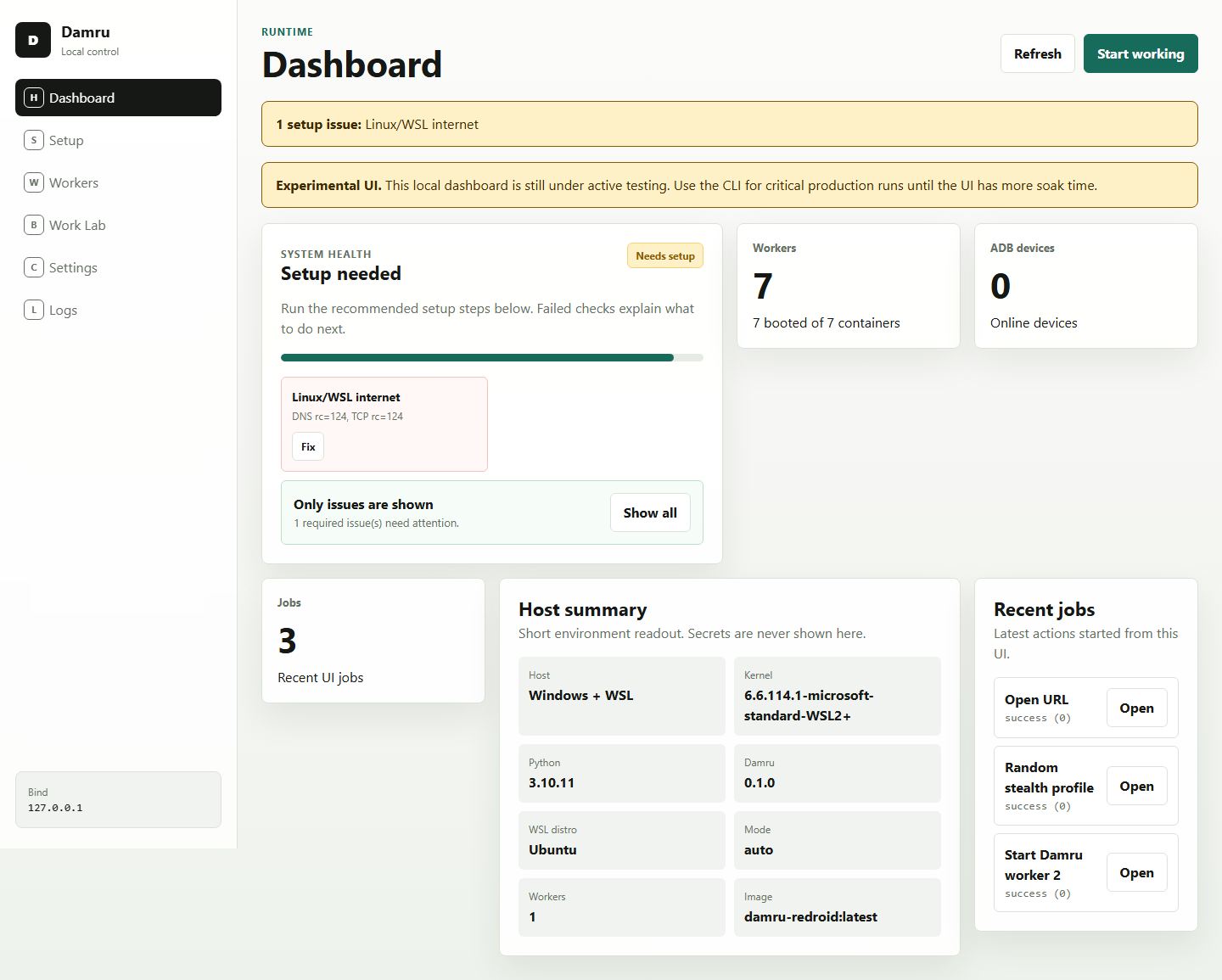
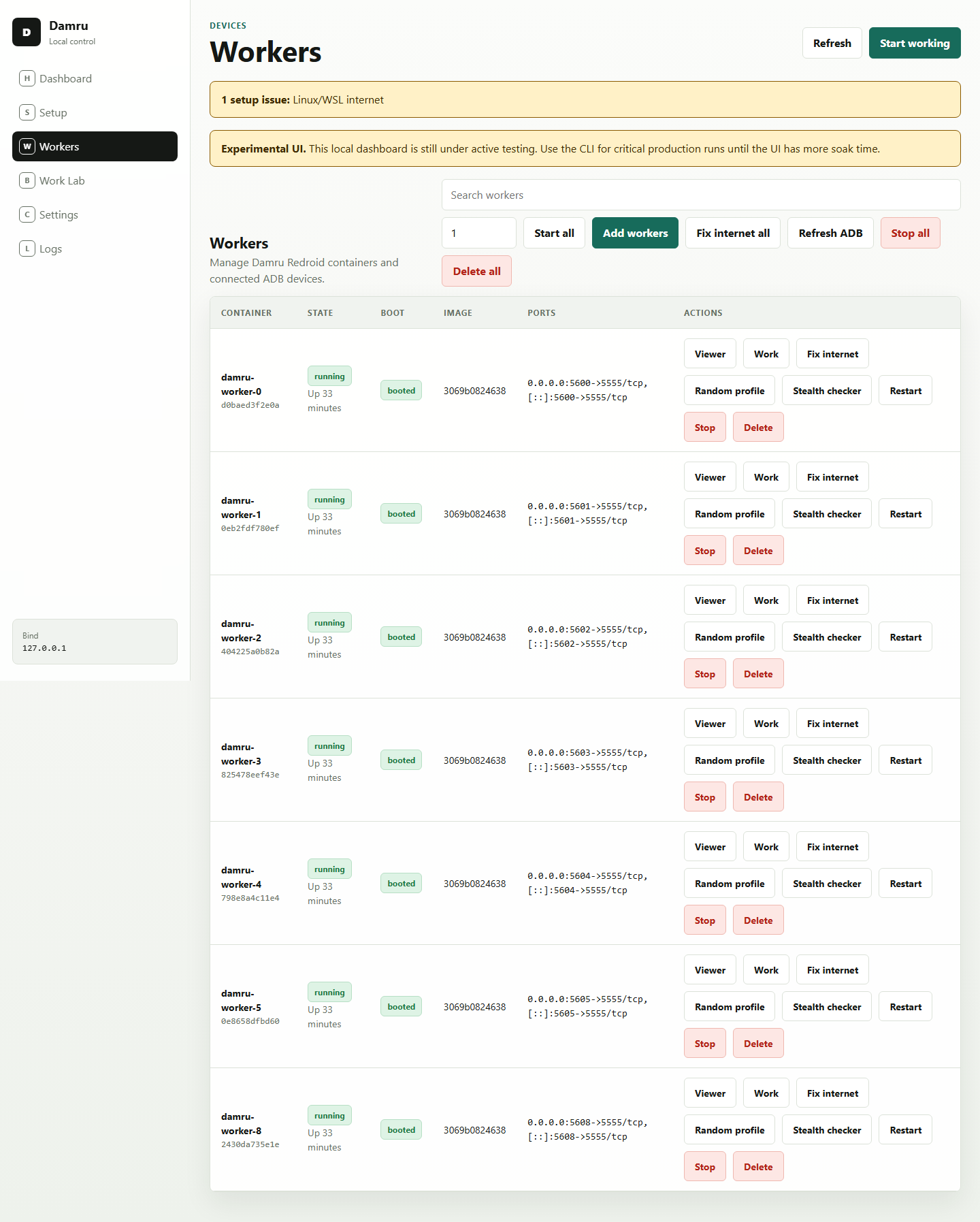
Damru includes an experimental localhost dashboard for setup, worker management, browser actions, quick checks, screenshots, logs, gallery cleanup, and a browser-based live viewer:
python -m damru ui
Open the printed http://127.0.0.1:<port> URL. The UI is local-only by default and uses an allowlisted backend; it does not expose arbitrary shell execution. The dashboard shows WSL controls only on Windows and native Ubuntu controls on Linux. Good setup checks collapse by default so failures stay visible. Work Lab can open URLs through a full Damru stealth session, run quick stealth checks, capture screenshots, clear the gallery, repair internet, apply random profiles, and stream a browser viewer for the selected worker. UI URL navigation is slower than a raw Android am start because it applies proxy, timezone, locale, UA/client hints, GPU, hardware, WebRTC, and TLS setup before leaving Chrome visible for inspection. For smoother manual control, use Copy native command in Work Lab and paste it in a terminal to launch scrcpy for the selected worker.
Full UI documentation with every page screenshot is in docs/UI.md.
| Dashboard | Workers |
|---|---|
 |
 |
| Work Lab |
|---|
 |
Use Redroid Like an Emulator Window
Damru normally runs headless, but you can open a live Android window with scrcpy when you want to inspect or manually operate the browser like an emulator.
Install and verify the optional viewer tooling:
python -m damru install-viewer
python -m damru check-env --viewer
Start or reuse a Redroid worker, then list ADB devices:
python -m damru devices
Open a live viewer for one worker:
python -m damru view --serial wsl:127.0.0.1:5600
If --serial is omitted, Damru uses the first online ADB device. On Windows/WSL, Redroid workers usually appear as wsl:127.0.0.1:5600, wsl:127.0.0.1:5601, and so on. On native Linux they usually appear as 127.0.0.1:5600, 127.0.0.1:5601, and so on.
Use watch-only mode when you do not want keyboard/mouse/touch input to change the Android session:
python -m damru view --serial wsl:127.0.0.1:5600 --no-control
Capture the full Android display for debugging or proof assets:
python -m damru screenshot --serial wsl:127.0.0.1:5600 --output screen.png
python -m damru record --serial wsl:127.0.0.1:5600 --time-limit 30 --output clip.mp4
Manual viewer control can click pages, type text, change Android settings, or alter browser state. Keep manual viewer sessions separate from benchmark/proof runs when you need clean automation results.
Global Configuration
Damru uses a centralized configuration file located at damru/config.py. If you clone the repository or install it locally, you should modify these settings before running large pools or automated scripts.
[!TIP] Pre-made Configurations Available! We have provided OS-specific configuration templates in the
damru/directory to get you started faster:
- Windows / WSL2: Copy
damru/config.py.windowsand rename it toconfig.py.- Native Linux: Copy
damru/config.py.linuxand rename it toconfig.py.
Essential Configurations
WSL2 Settings (Windows Auto-Mode): If you are running Python on Windows, Docker and Redroid still run inside WSL2. Damru uses
wsl -u rootfor Linux setup and Docker preparation, so a WSL sudo password is not required for the CLI setup path.# damru/config.py WSL_DISTRO = "Ubuntu" WSL_USERNAME = "your-wsl-user" WSL_PASSWORD = "" # Kept for compatibility; current WSL setup uses wsl -u rootExisting WSL installs are covered by
damru setup: setWSL_DISTROandWSL_USERNAME, then runpython -m damru check-env. Damru's current Windows setup/runtime path useswsl -u rootfor privileged WSL commands, so it does not need to store a sudo password inconfig.py.Chrome APK Path: When not using the pre-baked
.tarimage, Damru will dynamically install Chrome onto raw Redroid instances. Use the automatic APK installer:python -m damru install-apks --downloadIt downloads the Chrome/WebView/TTS/resetprop APK bundle automatically, extracts to
/home/damru/chrome-apkson Linux/WSL, validates the 143-148 Chrome split-APK folders, and configuresCHROME_APKonly when needed. The Google Drive APK bundle is for manual recovery if automatic download is unavailable.If you still see an APK asset error, download the same Google Drive bundle manually, extract it as
/home/damru/chrome-apks, keep the WebView/TTS/Magisk APKs beside the Chrome version folders, then setCHROME_APKto a Chrome split-APK version directory, for example:CHROME_APK = "/home/damru/chrome-apks/145.0.7632.75"Manual Linux/WSL extraction example:
sudo mkdir -p /home/damru
sudo chown "$USER:$USER" /home/damru
unzip damru-chrome-apks-latest.zip -d /home/damru/chrome-apks
find /home/damru/chrome-apks -maxdepth 2 -name '*.apk' | head
# None = auto-searches the 'chrome-apks/' directory in the project root CHROME_APK = None # Or specify an absolute path: # CHROME_APK = "/mnt/c/path/to/damru/chrome-apks/145.0.7632.75"When
CHROME_APK = Noneand the bundle exists, random profile actions can also rotate to another validated Chrome APK version so the Chrome major/minor version follows the selected profile instead of staying fixed forever.Pool Settings (
NUM_DEVICES&MODE):MODE = "auto" # "auto" = manages Docker containers; "mumu" = local VMs; "manual" = ADB NUM_DEVICES = 10 # How many concurrent containers to spin up/maintain REDROID_IMAGE = "damru-redroid:latest" # The Docker image to useProxy, Timezone, and Locale: Leave
TIMEZONEandLOCALEasNoneunless you intentionally need fixed values. Damru resolves the active proxy exit at session start, then applies matching Android timezone, Chrome timezone,Accept-Language, andIntllocale. Rotating residential proxies are rechecked through Chrome after CDP connects so the browser does not keep a stale timezone from a previous exit.
Auto locale selection covers standard ISO country codes plus CLDR exceptional territory codes. Countries with more than one realistic phone/browser language can rotate between valid local variants, for example en-PH / fil-PH or en-IN / hi-IN.
PROXY = None        # Optional: SOCKS5/HTTP proxy URL for Python-side checks
HTTP_PROXY = None   # Optional: Android system HTTP proxy as host:port
TIMEZONE = None     # Auto from proxy exit when unset
LOCALE = None       # Auto from proxy country when unset
Authenticated HTTP and SOCKS5 proxies are supported. Damru automatically starts a local no-auth bridge when Android cannot store proxy credentials directly, then points Android Chrome at that bridge. This avoids Chrome proxy sign-in dialogs while keeping proxy-based timezone, locale, and WebRTC leak guards active. Advanced users can still pass an explicit HTTP_PROXY/http_proxy bridge endpoint when they manage their own proxy bridge.
Docker Storage Location (Crucial for Windows Users)
Redroid containers consume significant disk space. If you are using WSL2 Docker, it saves data to your ext4.vhdx virtual drive on the C: drive by default, which can quickly fill up your primary SSD.
To save Docker images to a secondary HDD: You must configure the Docker daemon inside WSL to use a different data-root.
- Open WSL (
wsl -d Ubuntu). - Stop docker:
sudo service docker stop. - Move existing data to your HDD:
sudo mv /var/lib/docker /mnt/d/docker-data. - Symlink it back:
sudo ln -s /mnt/d/docker-data /var/lib/docker. - Start docker:
sudo service docker start.
(Note: Native DOCKER_STORAGE_PATH configuration via Python is on the upcoming roadmap).
Usage & Examples
Damru handles the heavy lifting: it connects to ADB, gains root, applies system patches, spoofs the GPU, launches Chrome, and attaches via CDP-all automatically.
Example 1: Basic Async Usage (The Standard Way)
import asyncio
from damru import AsyncDamru

async def main():
    print("Launching Damru...")

    # Leave timezone/locale unset so Damru follows the active proxy exit.
    async with AsyncDamru(
        device="random",
        proxy="socks5://your.proxy.ip:1080",
        debug=True
    ) as browser:

        # 'browser' is a standard Playwright BrowserContext!
        page = await browser.new_page()

        print("Navigating to CreepJS to test stealth...")
        await page.goto("https://abrahamjuliot.github.io/creepjs/")
        await page.wait_for_timeout(10000)
        await page.screenshot(path="creepjs_score.png")
        print("Done! Check creepjs_score.png")

asyncio.run(main())
Example 1b: Authenticated Proxy with Android HTTP Bridge
Android system proxy supports HTTP CONNECT. If your provider gives SOCKS5 for Python-side checks but Android Chrome must use a local HTTP bridge, pass both values:
from damru import AsyncDamru

async with AsyncDamru(
    device="pixel_8_pro",
    proxy="socks5://user:pass@proxy.example:824",
    http_proxy="172.17.0.1:18888",
) as browser:
    page = await browser.new_page()
    await page.goto("https://demo.fingerprint.com/playground")
Damru resolves timezone and locale through http_proxy because that is the route Chrome actually uses. Do not set timezone or locale manually unless they match the current proxy exit.
Example 2: Synchronous Usage
If you prefer synchronous code, Damru provides a blocking wrapper:
from damru import Damru

def run_sync():
    with Damru(device="pixel_8_pro") as browser:
        page = browser.new_page()
        page.goto("https://bot.sannysoft.com/")
        page.wait_for_timeout(5000)
        page.screenshot(path="sannysoft.png")
        print("Passed Sannysoft!")

if __name__ == "__main__":
    run_sync()
Example 3: Scaling Up with Connection Pooling
Scraping thousands of pages Damru provides a native Pool manager to run operations concurrently across multiple Docker containers.
from damru import DamruPoolSync

proxies = [
    "socks5://proxy1:1080",
    "socks5://proxy2:1080",
    "socks5://proxy3:1080"
]

with DamruPoolSync(mode="auto", max_devices=3, proxies=proxies) as pool:
    for i in range(3):
        with pool.session() as context:
            page = context.new_page()
            page.goto("https://example.com/api/scrape_target")
            print(f"Worker {i} finished scraping: {page.title()}")
Testing Your Setup
Start with the fast readiness and Android sanity checks before running full benchmarks:
python -m damru check preflight
python -m damru check-env
python -m damru quick-check --serial 127.0.0.1:5600
Damru also ships with a benchmark suite for proof/stealth checks:
# Run all benchmark tests on a random device
python -m damru benchmark --device random

# Run specific tests with a proxy
python -m damru benchmark --device samsung_galaxy_s24_ultra --proxy socks5://ip:port --tests creepjs cloudflare
The "Big Plan" (Roadmap)
We are aggressively building Damru into a fully autonomous infrastructure tool. Check docs/AUTOMATION_GAPS_PLAN.md for details.
-
damru setupCLI: Single-command configuration plus Linux/WSL dependency setup. - Automated Health Checks: Verification of ADB, Docker, binderfs, Chrome APKs, images, Playwright patches, resources, ports, and WSL kernel state.
- Fleet Preflight: Fast read-only
check preflightcommand with JSON and strict modes for many VPS/VM hosts. - Manual Viewer Tools: Optional screenshots, video recording, and scrcpy live viewer.
- Experimental Local UI: Localhost setup dashboard, worker controls, Work Lab actions, viewer, logs, and gallery cleanup.
- Auto Image/APK Management:
install-image,install-apks, raw APK bundle discovery, and image baking commands. - Packaging polish: More release automation, smaller proof packs, clearer issue templates, and better first-run UI guidance.
Frequently Asked Questions
1. Does Damru support physical Android devices
No. Damru is designed strictly for containerized environments (Redroid). Its low-level OS patches, resetprop logic, and binary driver injections are optimized for Redroid's kernel and filesystem. Do not attempt to use Damru on your personal phone. Auto-detection refuses physical-looking USB serials by default. DAMRU_ALLOW_PHYSICAL=1 is only for intentionally disposable test devices, entirely at your own risk.
2. Can I use MuMu Player instead of Docker
MuMu Player support is currently an experimental, unfinished, and non-functional beta feature. While the code structure for it exists, we highly recommend using Redroid (Docker) for any production or serious research work.
3. Why is the .tar image so large
The damru-redroid-latest.tar image is a full Android 14 operating system export. The current test artifact is about 915 MB as a Docker tarball and expands to a larger Docker image after docker load. It includes pre-installed Chrome, TTS assets, custom fonts, and pre-patched binary drivers for faster deployment.
4. Does Damru work on native Linux
Ubuntu 24.04 LTS is the only officially supported native Linux target today. Other distributions may run Docker, but Damru Redroid reliability depends on kernel binderfs and container networking behavior. Debian 13 was tested and is not supported yet because its stock kernel did not provide the binderfs support needed for reliable multi-container Redroid.
5. Why "Zero JS Injection"
Standard stealth tools are caught by anti-bots because their JavaScript injections leave traces (timing, prototype pollution). Damru lies from the outside-in (OS, Binary, and Protocol levels), making it mathematically invisible to scripts.
Mandatory Legal Disclaimer & Ethical Use Notice
IMPORTANT: READ CAREFULLY BEFORE PROCEEDING
Damru (the "Software") is developed and distributed strictly for educational purposes, ethical security research, and authorized academic study. By using this Software, you acknowledge and agree to the following terms:
1. Educational and Research Intent
Any examples provided within this repository-including but not limited to the bypassing of Cloudflare, CreepJS, or BrowserScan-are presented solely as theoretical demonstrations of browser fingerprinting vulnerabilities. These "bypasses" are intended for use against systems you own or have explicit, written permission to test. They are designed to help security professionals and developers understand how to improve their own defensive measures.
2. No Warranty and Limitation of Liability
The Software is provided "AS IS", without warranty of any kind, express or implied, including but not limited to the warranties of merchantability, fitness for a particular purpose, and non-infringement. In no event shall the authors, contributors, or copyright holders be liable for any claim, damages, or other liability, whether in an action of contract, tort, or otherwise, arising from, out of, or in connection with the Software or the use or other dealings in the Software.
3. Compliance with Laws and Terms of Service (ToS)
The user assumes full and sole responsibility for ensuring that their use of Damru complies with all applicable local, state, national, and international laws, including but not limited to the Computer Fraud and Abuse Act (CFAA).
- Terms of Service: Bypassing security measures or anti-bot protections often violates the target website's Terms of Service.
- Unauthorized Access: Unauthorized scraping or automated interaction with third-party systems may result in civil or criminal penalties.
- Ethics: Users must not use this tool to facilitate malicious activity, data theft, credential stuffing, or any form of service disruption.
4. Risk Acknowledgment
Using automation frameworks against high-security systems carries inherent risks, including IP blacklisting, account termination, and potential legal action from service providers. The authors do not condone, support, or encourage the illegal or unethical use of this Software.
5. Commercial and Business Use Restriction
In accordance with the PolyForm Noncommercial License 1.0.0, all commercial and business use of this Software is strictly prohibited. This includes, but is not limited to, use by for-profit entities, use in support of commercial services, or any activity directed toward monetary compensation. The Software is licensed exclusively for personal, educational, and non-commercial research purposes.
Comments